
Nov 2026 · BID Key OS · 4 min read
Why the Room Key Belongs in the Wallet
The room key is moving from a plastic card to a digital credential. The opportunity is not another app, but a more effortless arrival.
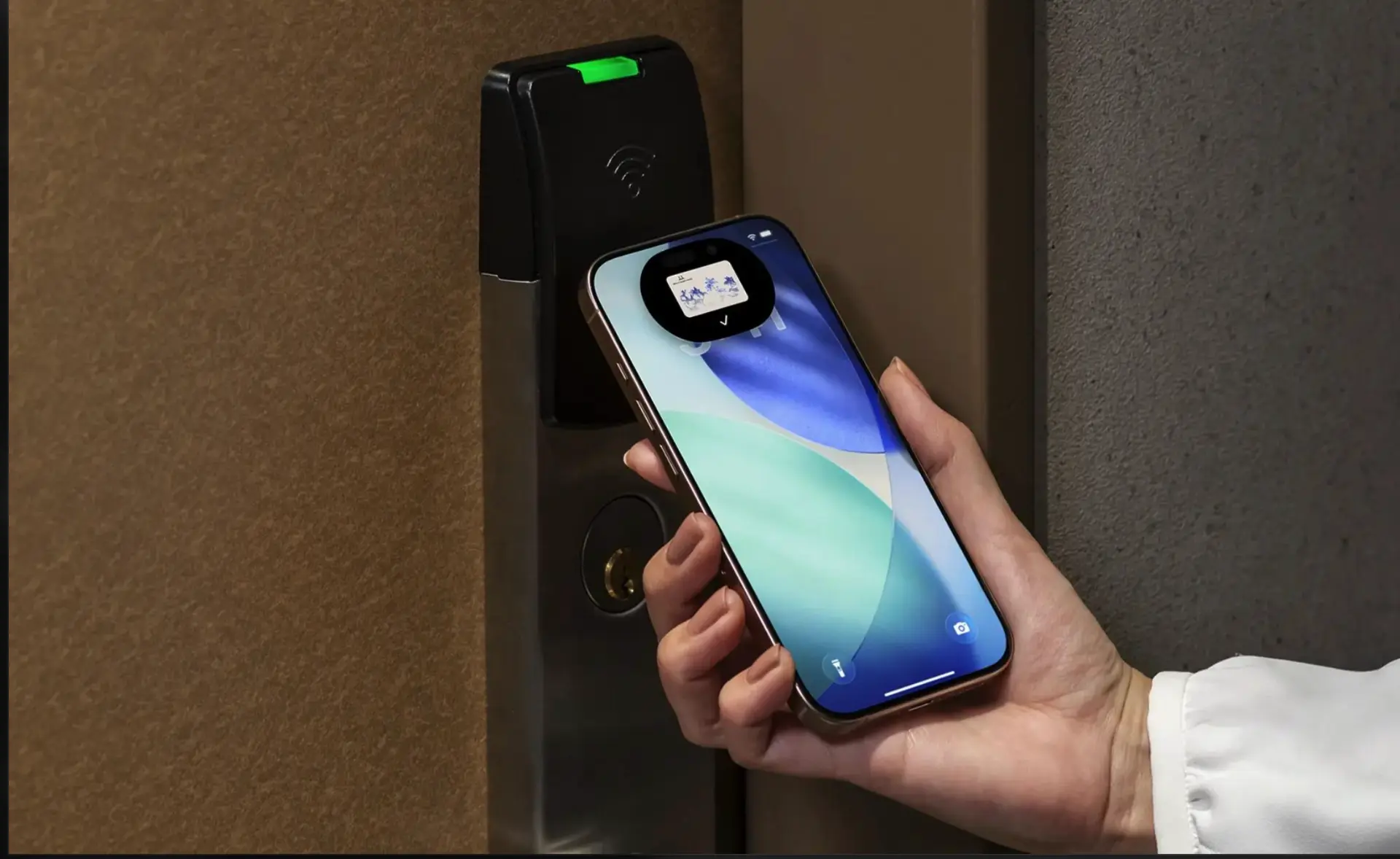
For decades, the hotel room key has been one of the few constants in an industry defined by change. Reservations have moved online, payments have become contactless, and travelers can now organize nearly every aspect of a trip from their smartphones. Yet, upon arriving at a hotel, many guests still find themselves waiting at reception for a small plastic card that serves a single purpose: opening a door.
The contradiction is becoming increasingly difficult to ignore. Airlines have spent years moving boarding passes into mobile wallets, while public transportation systems, event organizers, and financial institutions have embraced digital credentials. Hotels, despite investing heavily in guest-facing technology, have been slower to rethink the final step between arrival and accommodation.
The opportunity is not necessarily to introduce another application. In fact, the proliferation of hotel apps has created its own frustrations. Guests traveling between different properties may be asked to download separate applications, create accounts, remember passwords, and navigate unfamiliar interfaces for a service they may only use for a few nights. What was intended to make access more convenient can quickly become another complication.
Apple Wallet and Google Wallet offer a different approach. By placing hotel credentials alongside the digital cards and passes people already use, hotels can make room access part of an established everyday experience. For properties equipped with compatible electronic locks and the necessary integrations, a guest could receive a digital credential before arrival and use a supported device to enter their room without collecting a conventional key card.
The implications extend beyond convenience. Traditionally, the front desk has served several functions simultaneously: welcoming guests, verifying reservations, processing payments, answering questions, and distributing room keys. While some of these interactions remain essential, others are administrative tasks that can be completed before a guest arrives. Removing the need to physically distribute every room key could give hotel employees more time to concentrate on the aspects of hospitality that actually benefit from personal attention.
This distinction matters. The objective of digital access should never be to remove human interaction indiscriminately. Luxury hospitality, in particular, depends on thoughtful service and the ability to recognize individual preferences. A guest arriving after a delayed flight may appreciate direct access to their room, while another may welcome a conversation with the concierge. The best technology allows both experiences to coexist rather than forcing every traveler through the same process.
For hotel operators, however, the real challenge is less visible. Issuing a mobile credential requires coordination between property management systems, room assignments, access-control infrastructure, and the technology responsible for creating and delivering the key. A digital credential that cannot respond to changes in reservations, room assignments, or access permissions may introduce more operational complexity than it removes.
This is where companies such as BID Key OS see an opportunity. The platform is being developed around the idea that digital hotel access should integrate with existing property systems rather than require hotels to rebuild their operations around another standalone application. Its proposed approach connects hotel workflows with Apple Wallet and Google Wallet credentials, with the ambition of making issuance and management increasingly seamless.
Physical key cards are unlikely to disappear overnight. Hotels operate with different generations of electronic locks, guests have varying preferences and devices, and any digital access system must account for reliability, security, and exceptional circumstances. For many properties, the most practical transition will involve offering digital and physical credentials alongside each other.
Nevertheless, the direction of travel is increasingly clear. The room key is evolving from a physical object handed over at reception into a digital credential that can be delivered and managed as part of the guest journey.
Ultimately, travelers are unlikely to judge a hotel by the sophistication of its credential infrastructure. They will judge it by whether arriving feels effortless, whether their room is ready, and whether the technology works when they need it.
The future of the hotel room key may therefore be defined not by what guests notice, but by what they no longer have to think about.